Table of Contents
Sun exposure, aging, and daily environmental stress can gradually leave the complexion looking uneven, dull, or marked by areas of discoloration. IPL skin rejuvenation uses controlled light energy to address concerns such as sun spots, redness, and uneven pigmentation. By reducing these visible color irregularities, IPL can help the skin appear clearer, brighter, and more balanced.
How long does it take to see results from IPL?
Visible changes may develop over several days to weeks as treated pigmentation and vessels gradually become less noticeable.
How Does IPL Skin Rejuvenation Work?
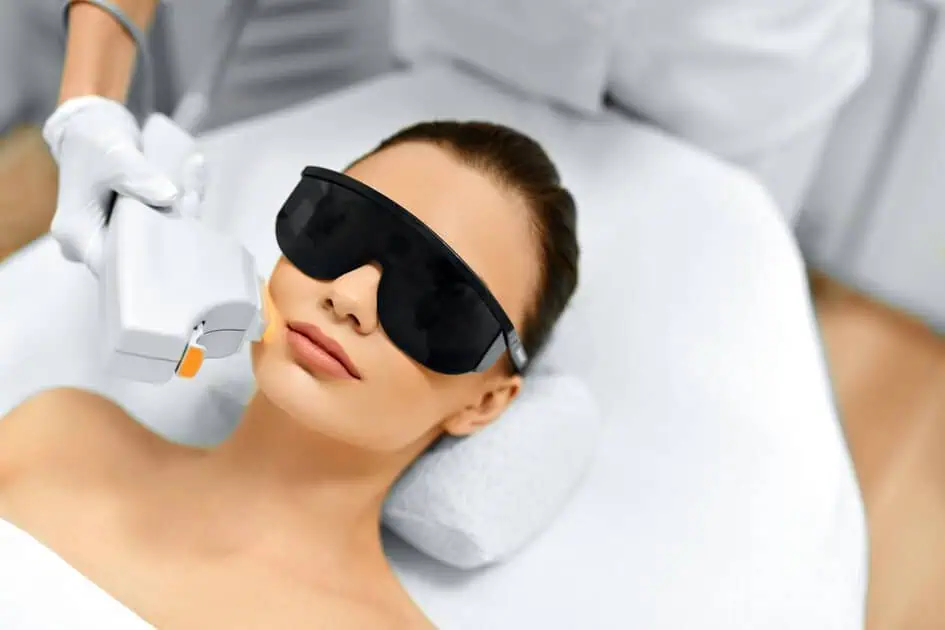
IPL stands for intense pulsed light. Unlike a laser that delivers a single wavelength, IPL uses a range of light wavelengths. The provider adjusts the treatment according to the skin concern and characteristics of the treatment area.
During an IPL photofacial, light passes through the skin and is absorbed by specific targets, known as chromophores. Melanin absorbs light when brown pigmentation is being treated, while hemoglobin absorbs it when visible redness or small blood vessels are the concern.
The absorbed light converts to heat and affects the targeted pigment or vessel. The body then gradually processes the treated areas. This response does not happen all at once, which is why changes in the complexion develop over the days and weeks following a session.
Why Sun Exposure Can Leave the Complexion Looking Uneven
Sun exposure has a cumulative effect on the skin. Ultraviolet radiation stimulates melanin production as part of the skin’s natural protective response. Over time, repeated exposure can cause pigment to collect unevenly, resulting in freckles, sun spots, and other visible areas of discoloration.
These changes are particularly common on frequently exposed areas such as the face, chest, neck, shoulders, and hands.
Using IPL as a sun damage treatment focuses on the visible pigment that has already developed. The light is attracted to areas containing excess melanin, allowing individual spots to be treated without trying to lighten the surrounding complexion.
5 Ways IPL Can Create a More Balanced Complexion
IPL can address several factors that affect how even the skin appears. The exact response varies based on skin type, the concern being treated, and the treatment plan.
1. Fades the Appearance of Sun Spots
IPL can target isolated brown spots caused by accumulated UV exposure. As the treated pigment clears, the contrast between these darker areas and nearby skin may become less noticeable.
2. Addresses Uneven Pigmentation
An IPL pigmentation treatment can be useful when discoloration is scattered across an area rather than limited to a single spot. Reducing visible patches of excess pigment can give the complexion a more consistent appearance.
3. Reduces Visible Redness
Small blood vessels and persistent areas of redness can interrupt an otherwise even skin tone. IPL can target hemoglobin within these vessels, supporting gradual redness reduction as the treated vessels become less visible.
4. Improves Overall Skin Clarity
A complexion may look dull because multiple areas of brown and red discoloration create visual contrast. Addressing those color irregularities can make the skin look clearer and brighter without altering its underlying natural color.
5. Supports More Consistent Skin Tone
For some patients, skin tone improvement involves treating a combination of concerns rather than focusing on just one. IPL’s adjustable settings allow a provider to develop a treatment plan around the types of discoloration present.
What IPL Can and Cannot Address
Understanding the purpose of IPL helps set realistic expectations. Its main strength is treating visible pigmentation and vascular concerns. It may be considered for sun spots, freckles, age-related discoloration, facial redness, and certain visible vessels.
IPL is not designed to correct every sign of skin aging. Deep wrinkles, significant skin laxity, pronounced acne scars, and substantial texture changes may require other procedures. Melasma also needs careful evaluation because heat and light-based treatments are not appropriate for every case and may worsen pigmentation in some patients.
Skin type is another important consideration. Since IPL interacts with melanin, a provider needs to assess natural skin tone, recent tanning, medications, sun exposure, and the type of pigmentation before proceeding.
A consultation helps distinguish concerns that are likely to respond to IPL from those better addressed with another treatment.
What to Expect After an IPL Treatment
IPL typically requires less recovery time than more intensive resurfacing procedures, but temporary skin responses are still possible. Mild redness, warmth, or sensitivity can occur shortly after treatment. Pigmented spots may look darker before they begin to fade.
Patients should avoid picking or scrubbing treated areas as pigment comes to the surface. Gentle skincare and appropriate sun protection are particularly important during this period.
The number of sessions needed varies. The amount and depth of pigmentation, degree of redness, treatment area, and individual response all influence the recommended schedule. Some people may notice changes after an initial session, while a series may be advised for broader or more persistent concerns.
Health and Wellness Spa IPL Skin Rejuvenation in Charlottesville, VA
Years of sun exposure, aging, and environmental stress can contribute to a complexion that appears dull, blotchy, or uneven. Health and Wellness Spa provides IPL skin rejuvenation in Charlottesville, VA for patients interested in addressing concerns such as sun spots, redness, and discoloration.
Our team administers IPL technology to deliver controlled light energy to selected areas of pigment and visible redness. Treatment is non-invasive and generally involves limited downtime, making it an option for patients who prefer a light-based approach without a surgical procedure.
IPL can also be used as part of a broader plan for maintaining skin appearance over time. Rather than assuming every discoloration responds the same way, an evaluation can identify what is contributing to uneven tone and determine if IPL is suitable for the patient’s skin.Book Your IPL Skin Rejuvenation Consultation Today.
Frequently Asked Questions
Does IPL require downtime?
IPL generally involves limited downtime, although temporary redness, sensitivity, or darkening of treated spots may occur after a session.
How many IPL treatments will I need?
The number of sessions varies according to your skin concerns, treatment area, degree of discoloration, and response to treatment.
Can I combine IPL with other treatments?
IPL may be combined with microneedling, chemical peels, or injectables when appropriate, but a consultation is necessary to determine safe treatment timing and the right combination for your skin.