
Table of Contents
Shaving is often treated like the easiest way to manage unwanted hair because it is familiar. It does not require an appointment, the tools seem inexpensive at first, and it can be done at home. The problem is the cycle that follows. Stubble returns, the skin can feel irritated, and the same routine starts again a few days later, or sometimes the next day.
That is why many people look at laser hair removal differently. Instead of focusing only on hair that sits above the skin, laser treatments target the follicle beneath the surface. This makes it a practical option for people who want a longer-term approach without depending on razors as often.
The Real Problem With Shaving
Shaving cuts hair at the surface. It can leave the skin smooth for a short time, but the follicle stays active underneath. As the hair grows back, stubble returns. For areas like the legs, underarms, bikini line, face, neck, chest, or back, you can create a routine that feels constant.
The side effects are often what make shaving feel less convenient than it looks. Razor burn, nicks, dry patches, itching, and ingrown hairs can happen even when you use a clean blade and shaving cream. Coarse or curly hair may be more likely to curl back into the skin, creating bumps and tenderness.
How Laser Hair Removal Works Differently
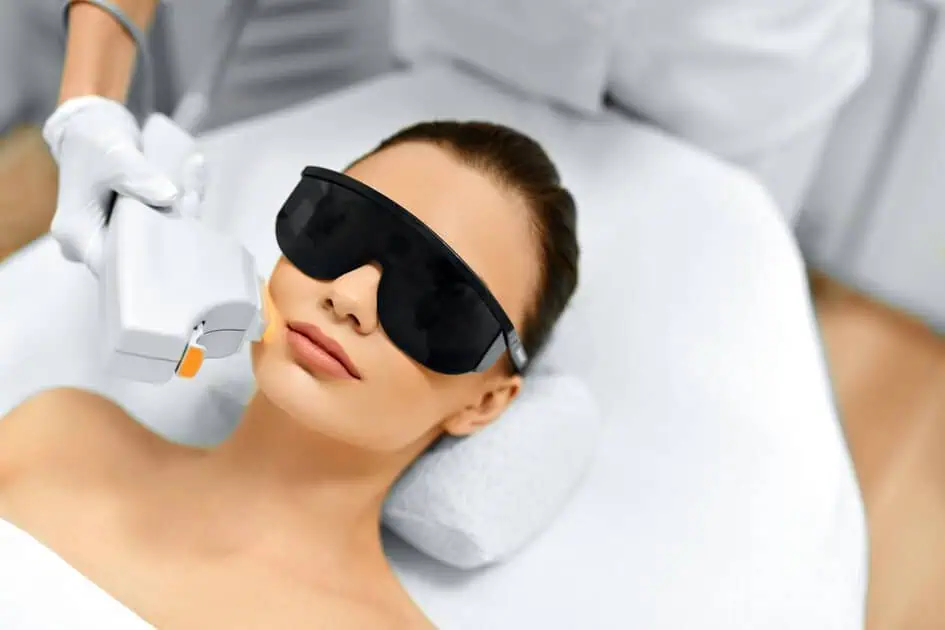
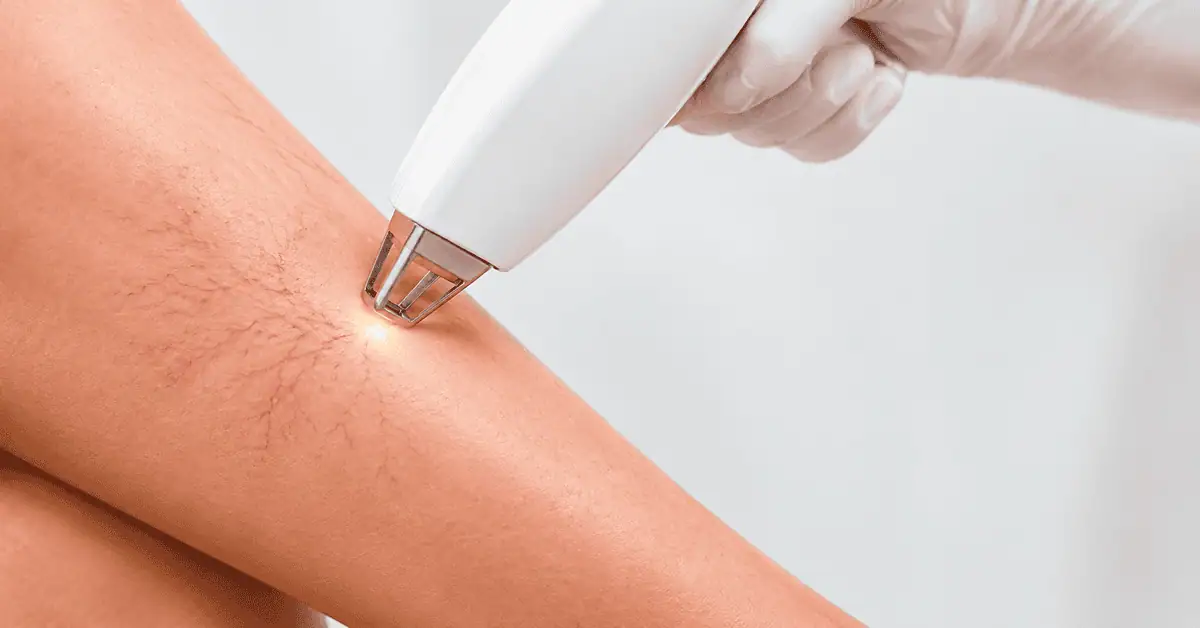
Laser hair removal uses focused light energy to target pigment in the hair. That energy travels into the follicle, where it helps reduce the follicle’s ability to produce future growth. Because hair grows in different stages, more than one session is needed. Each appointment treats hairs that are in the active growth phase at that time.
After completing a treatment series, many people notice less hair in the treated area. Hair that does return may be finer and lighter. This is often described as permanent hair reduction, which means long-term reduction in hair growth rather than a promise that every hair will be gone forever.
Results can vary based on hair color, skin tone, hormones, the treatment area, and appointment consistency. Some people may still need occasional maintenance. Even so, reducing the amount of hair that grows back can change the way someone thinks about hair removal day to day.
A More Skin-Friendly Approach
A major reason people search for a shaving alternative treatment is skin comfort. Shaving creates friction. In areas that are shaved often, that friction can contribute to redness, bumps, and rough texture. The bikini line, underarms, jawline, and neck are especially prone to irritation because the skin can be delicate and the hair may be coarse.
Laser hair removal may help by reducing the need to keep shaving the same areas. With less hair returning over time, there is less reason to run a blade across the skin repeatedly. For people who regularly deal with ingrown hairs or razor bumps, this can make a noticeable difference in how the skin feels between treatments.
This is why laser treatments are often viewed as a smooth skin solution, not simply another way to remove hair. The goal is to reduce the recurring issues that make shaving frustrating, while helping the skin look and feel more even over time.
The Time and Maintenance Factor
Shaving may only take a few minutes, but those minutes add up. Razors, replacement blades, shaving products, exfoliants, and aftercare all become part of the routine.
Laser hair removal changes the maintenance pattern. Appointments are spaced out, and results build gradually. As the hair becomes less dense, many people find they spend less time thinking about shaving between sessions. It is not about never touching a razor again for every person. A more realistic benefit is needing it less often, dealing with less regrowth, and having fewer skin concerns related to shaving.
Comfort, Safety, and Expectations
A consultation is an important first step. A provider should review your skin type, hair color, medical history, treatment area, and recent sun exposure before creating a plan. This helps determine if laser hair removal is appropriate and how the treatment should be approached.
During treatment, the sensation is often described as a quick snap or warmth on the skin. Afterward, temporary redness or mild tenderness can happen. Following aftercare instructions is important, including avoiding sun exposure, pausing harsh exfoliants, and using gentle skin care while the area settles.
Laser hair removal can be effective for the right candidate, but it should be presented with clear expectations. Lighter hair, hormonal changes, and inconsistent scheduling can affect results. A responsible provider will explain what is realistic for your skin and hair type.
Health and Wellness Spa Laser Hair Removal in Charlottesville, VA
For those searching for laser hair removal in Charlottesville, VA, Health and Wellness Spa offers laser hair removal treatments in Charlottesville for both men and women who want longer-lasting hair reduction. Our spa helps patients address unwanted hair, daily shaving, painful waxing, and stubborn ingrown hairs with a treatment plan designed around their needs.
At Health and Wellness Spa, our team uses advanced laser technology to target hair follicles at the root. Over a series of treatments, this can reduce future growth and support smoother-looking skin with less routine upkeep. Common treatment areas may include the underarms, legs, bikini area, face, chest, back, shoulders, and arms.
The process begins by discussing the patient’s goals and evaluating the treatment area. This allows the provider to consider hair pattern, skin type, sensitivity, and comfort. The goal is not to promise a one-session fix, but to create a steady plan that can help reduce unwanted hair over time. schedule your appointment online today.
Frequently Asked Questions
Is laser hair removal better than shaving?
Laser hair removal can be a better long-term option than shaving because it helps reduce future hair growth instead of only cutting hair at the surface.
How many laser hair removal sessions are usually needed?
Most people need a series of treatments spaced several weeks apart because hair grows in different cycles.
Can laser hair removal help with ingrown hairs?
Laser hair removal may help reduce ingrown hairs by decreasing the amount of hair that grows back in treated areas.
What areas can be treated with laser hair removal?
Common treatment areas include the legs, underarms, bikini area, face, chest, back, shoulders, and arms.